Redbeard at Parallel Context has a thought-provoking post up, poking away at that hoary old flogging-horse, fun. Wilhelm at TAGN, meanwhile, has a weapons-grade, mad as hell and not taking it any more rant aimed squarely at everyone's least-favorite spaceman, Lord British.
At first read, the two posts don't seem to have all that much in common but I was struck by the way they both reveal a little of the darkness that lies in "giving people want they want". Or should that be what they think they want?
Looking back to the dying days of World of Warcraft's Wrath of the Lich King era, Redbeard brings back some of the mixed emotions aroused by the fast-moving changes Blizzard brought to what has always been a slippery and ever-shifting genre. The surprise, if there was one, should have been that we didn't see it coming.
The myth about sharks is that they'll drown if they ever stop moving forward. Mmorpgs are the same.
I was almost done playing WoW, my first time through, when Blizzard introduced the earliest iteration of the automated group-making tool. Mrs Bhagpuss and I had been playing for just over six months by then and we'd both seen about as much of the game as we cared to. She'd already stopped logging in. I think she'd gone back to EverQuest II.
I hung on a little bit longer. I was waiting for the patch that introduced the Group Finder. I was very curious to see how it would work. I wasn't expecting it to change anything for me, personally. At that point I'd never pugged a dungeon in WoW. I'd barely even been in a dungeon in WoW and I had no plans to start. I was waiting to see how the innovation would change the game itself and by implication the genre.
In the event it took me just three runs to decide that a) the LFG tool was a clever and useful addition to the game and b) I had no interest in ever using it again. I could also see that it was a genie that would be very hard to cork.

For someone who had already just about had enough of Azeroth for the time being, far from opening up a whole new era of possibility, what it did was confirm my feeling that it was about time I found somewhere else to be. I moved on but I was very well aware that no matter how far or fast I was moving I wouldn't be able to outrun history. You can't unhave ideas. Automated group-making had been loosed upon the virtual world. Nothing would be the same ever again.
The Sparkle Pony, as Redbeard goes on to say, marked another turning point. At this remove I can't remember (Or be bothered to check.) if Blizzard was the first major player to introduce paid-for mounts into a Subscription game. I know Sony Online Entertainment did the same because I was there when it happened but whether that was before or after The Ensparkling I don't recall.
And it doesn't matter. Whoever did it first, soon everyone was doing it. And why wouldn't they? It turns out people like spending money on stuff that doesn't exist, even if they have to pay an entrance fee to get into the store. If you were making games to make money wouldn't you do the same? If people want to pay you twice, why not let them?
Well, I guess one good reason would be if those same people ended up losing faith in your game's ability to entertain and amuse them and took their custom elsewhere. That didn't happen even though many said it would.
Oh, I'm sure there were people who stopped playing and claimed it was because of all the shiny ponies sparkling up the streets and maybe sometimes it was even true. I mean, I left EQII's live servers for the tumbleweed emptiness of the Test server mostly because I got into a snit about the flying carpets that came with the Desert of Flames expansion. Or I said I did.
It was a factor, just like the coming of the LFG tool to WoW was a factor in my leaving that game. It just wasn't the main reason I left. It was, as these things so often are, a handy excuse to do something I'd been wanting to do anyway.

Observational and anecdotal evidence suggests the membrane holding players inside or outside the current bubble of any mmorpg is becoming ever more permeable. The whole business model used to rely on locking paying customers down. Now it's increasingly about keeping the leash loose enough so they don't feel the tie until you tug.
Every barrier that comes down weakens the next, too. Those sparkle ponies seem almost quaint now. Strike the almost. Crowded places in just about every mmorpg I play (And most I don't, I imagine.) look more like carnival parades than whatever they're intended to suggest. As recreations of fantasy cities they bear about as much resemblance to even an imaginary reality as Disneyland's Main Street USA does to any American town you can actually drive through in your own car.
It's easy enough to see it all as a degradation of some kind of preternatural authenticity that existed before but is it? Was there ever anything more to the experience than what we brought to it? Aren't we just bringing different things, now?
It's another of those "You say you want it but you don't" moments, only this time it's "You say you don't want it but you do." Money talks, as the saying goes, and what it's saying is "I want a Pony!"
Or a spaceship. In castigating erstwhile elder now turned pantomime villain, Lord British, Wilhelm brings in another rockstar dev, Chris Roberts, as a point of reference:
"I am not a fan of Star Citizen, but this announcement has made Chris Roberts palatable by comparison. I don’t believe CR will ever be able to deliver on all, or even most, of the promises he has made, but he is selling a dream and has something tangible in alpha and has managed not to get bored and wander off mid-project. If you were to ask me if you should buy a spaceship in Star Citizen or give money to Lord British, I’d say knock yourself out with the spaceship."
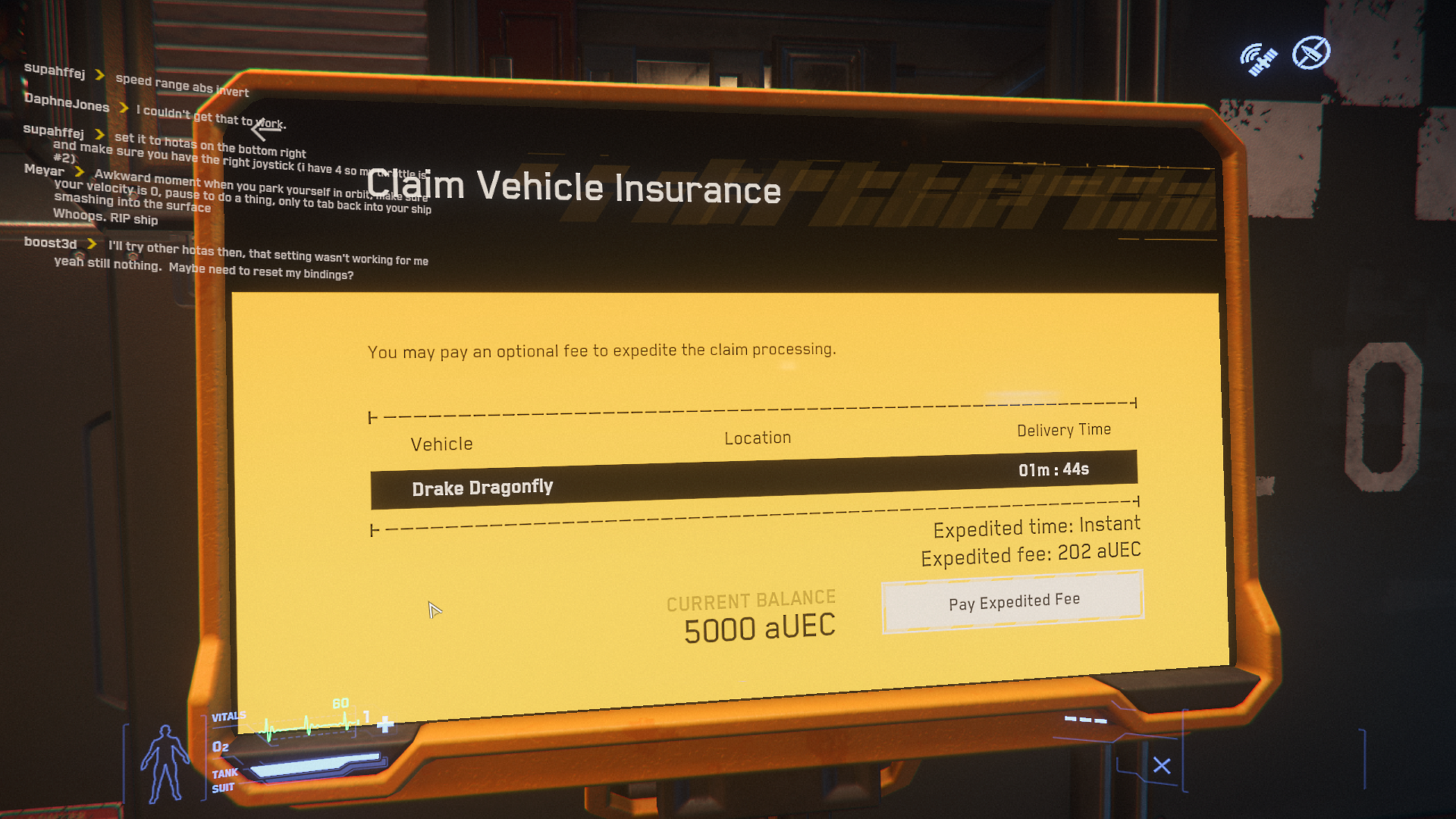
Star Citizen isn't a game. It's a showroom for imaginary spaceships. There probably are people genuinely still waiting for a full-function mmorpg to emerge from the endless development process over at Cloud Imperium but I would hazard my best guess they aren't any kind of majority.
Star Citizen is a toyshop. People buy shiny spaceships there and go Vroom! Vroom! in their minds. Space Sparkle Ponies if you like. And people do like. They like very much, which is why Star Citizen keeps making more money.
In some ways, not having a real game to go with them makes the whole thing more fun. It's like me when I played Riders of Icarus. All I really wanted to do was log in, get my next amazing mount, ride it around the city for a while, take a few screenshots and log out. The fact that I knew there was an actual game there just put me under pressure to stop having fun and do some damn work. Go and do some levelling. Play the actual game. That, among other things, was what led to me drifting away.
In that sense, you might think that Lord British's titanic vagueness over what game, exactly, he intends to make "on the blockchain" shouldn't be all that much of a red flag. It is, though.
Here's the difference, as I see it, between Chris Roberts and Richard Garriott: Chris Roberts really likes spaceships; Lord British really likes money.

I'm assuming here that NFTs are involved in Lord British's plans somewhere down the line, along with Play to Earn and all the rest of the buzzwords.
The single, obvious advantage of selling sparkle ponies and spaceships "on the blockchain" rather through a regular cash shop is, as it seems to me, the license that gives you to charge orders of magnitude more money for them. I can see why that's attractive to some people. Mainly the people doing the selling but also those who think a thing's value lies in how much it costs. There are names for people who think that way. None of them are kind.
Given the lead time required to make a new mmorpg, there's every chance all this will be over by the game comes out, if it ever does. I guess that won't matter much. By then the last drips will have been squeezed from the low-hanging fruit and the whole caravan will have moved on to the next mirage, taking Lord British with it, likely as not.
Leaving us all to play happily with our ponies and our spaceships in the actual games that take actual money for imaginary toys. And even if some of those games are still just sketches of a promise of a dream, they'll still be more real than anything "on the blockchain".
Fun is where you find it and we already know where to look.

 Posts
Posts